Preparing for Surgery: Surgery is a major life event with the potential to positively and/or negatively impact your future health and quality of life. This guide contains information and tools, designed to support you during your journey through surgery.
Leaflet Details
| Title | Preparing for Surgery |
| Department | Anaesthetics and Theatres |
| Author(s) | Dr J Jones |
| Review Date | November 2022 |
| Next Review | November 2025 |
| Download | A5 Booklet PDF |
| Accessibility Options | Click on the Recite Me button to show our accessibility resources |
Patient Information

How YOU PREPARE before surgery will have a BIG IMPACT on YOUR RECOVERY
Your guide to preparing for and recovering from surgery; before, during and after your hospital admission
Welcome
Surgery is a major life event with the potential to positively and/or negatively impact your future health and quality of life.
This guide contains information and tools, designed to support you during your journey through surgery.
Using this information, together with our ‘surgery school’ and physical activity classes, we aim to ensure that you are prepared to recover. We want to ensure you are:
Clear in your decision to proceed with surgery
- Understand the Benefits, Risks, Alternatives, or implications of doing Nothing
- Set realistic, achievable expectations
‘Fit’ for surgery
- Optimise your long-term health conditions
- Improve your physical reserve, strength, and balance
- To help your body cope with the trauma and stress of surgery
Armed with the tools you need to be proactive in your recovery
- Reducing your risk of perioperative complications
- Engage in active recovery: breathing, coughing, mobilising
- To get you home sooner and maintaining your independence
ASPH
Use these QR codes for useful Information from:
RCOA
(Use camera function on your phone to scan and click the links)
CONTENTS
- Let’s start at the beginning
- Surgery - Making the best decision for you, at the right time
- Getting ‘fit for surgery’
- Frailty
- Diet and nutrition
- Pain control before, during and after surgery
- Patient Passport
- Preoperative Checklist
- Preparation for your admission
- Important contacts
- The day of your operation
- General advice for your recovery in hospital
- Breathing and coughing
- Breathing and coughing strategies
- Active recovery ‘To-Do’ list
- Preparing for discharge
- Returning to normality
- Resources
LET’S START AT THE BEGINNING
Successful outcomes rely on active engagement before, during and after surgery
Know Yourself
- What is your current quality of life?
- What are your expectations of how this may change after surgery?
- What do you consider to be a positive outcome?
- Have you considered the consequences of a negative outcome or complications?
Know Your Health
- Do you have long-term health conditions? If so, are they well controlled?
- What medications do you take and why?
- Do you know how your long-term health conditions affect your risks of negative outcome or complications during surgery or hospital admissions?
Reduce Your Risks
- Poorly controlled health conditions and poor physical capacity increases your risks of complications, negative outcomes, and prolonged recovery from surgery
- Are you prepared physically and mentally for the stress and challenge of surgery?
- Do you understand the intended benefits, potential risks, or alternatives to surgery? What if you don’t have surgery?
Prepare to Recover
- ‘Waiting’ for surgery results in physical and psychological decline, making it harder to return to your pre-surgery level of independence
- Active preparation for surgery includes:
- Getting your long-term health conditions in the best place
- Improving your physical capacity
- Mental wellbeing and preparedness
We want to work together, to help you Prepare to Recover
SURGERY - MAKING THE BEST DECISION FOR YOU, AT THE RIGHT TIME
Surgery is a major life event and should not be undertaken lightly.
It is important to consider the potential risks and benefits, and what they might mean for you.
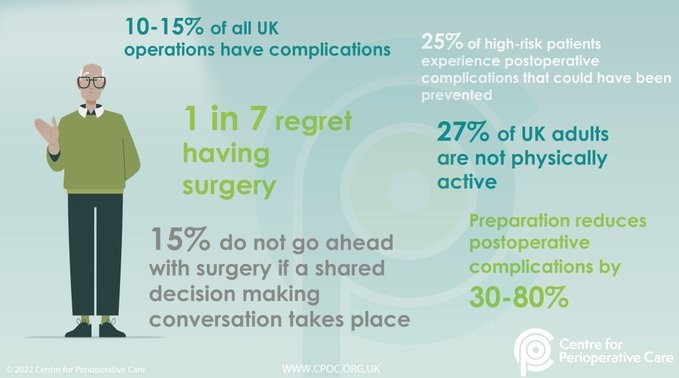
Reproduced with permission from Centre for Perioperative Care, CPOC
It is vital to take time to talk through your options with your clinical team and family or friends, before making your decision:
- Do you have realistic expectations of surgery based on your current health situation?
- What would a successful outcome look like to you?
- Have you considered the implications of negative outcomes of surgery?
It is also helpful to think about what effects surgery will have on your lifestyle and level of independence.
SURGERY - MAKING THE BEST DECISION FOR YOU, AT THE RIGHT TIME
The following tool from Choosing Wisely UK, can help you to ask the right questions and focus on what is important to you, when making decisions about your health and care:
What are the BENEFITS of the treatment?
- What can I expect to gain from the treatment?
- What is the chance of the treatment being successful?
What are the RISKS?
- What is the chance the treatment won’t work?
- What are the possible side effects?
- What are the possible complications?
- How might the treatment affect my quality of life?
What are the ALTERNATIVES to this treatment?
- What are the other treatment options?
- What are the benefits and risks of the other treatment options?
- Which treatment options should be used first?
What if I do NOTHING?
- How will my condition change if I don’t have treatment?
- Will my condition be more difficult to treat later?
For more information visit: https://www.aomrc.org.uk/projects-and-programmes/choosing-wisely/
GETTING ‘FIT for SURGERY’
Having an operation is like running a marathon; your ability to tolerate physical exertion reflects your body’s ability to cope with the stress of surgery and how well you recover.
Your baseline or preoperative level of fitness, mental wellbeing and state of your long-term health conditions directly impact your ability to cope with and recover from surgery.
Movement and progression towards a healthier and more physically active lifestyle, is an important part of preparing for your operation:
Being physically fit boosts your immune system, reducing the risks of infection:
- Before surgery - resulting in a delay or cancellation on the day of surgery
- After surgery - resulting in a postoperative complication, prolonging your hospital stay, or negatively impacting your overall outcome
Physical activity reduces the incidence and impact of preventable health conditions such as high blood pressure, diabetes, high cholesterol, or heart disease
- These conditions increase your risk of complications at the time of surgery
Being physically active both before, and immediately after an operation leads to a faster recovery
Improving your breathing technique, through exercises before and after surgery, will reduce your risk of a postoperative chest infection
Improving your movement before surgery and addressing any chronic pain symptoms will help in the management of your acute pain at the time of surgery
- Well managed postoperative pain leads to a quicker recovery
Improving your core strength will reduce your risk of a hernia, developing at a wound site, after surgery
FRAILTY
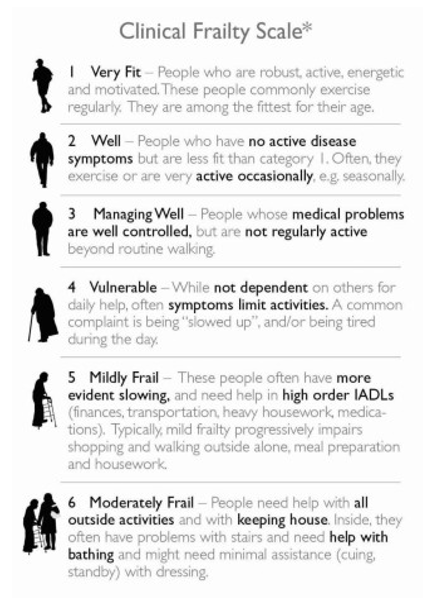
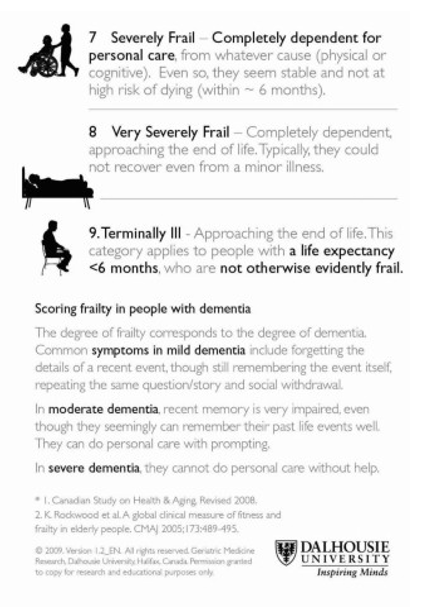
Frailty is a distinctive health state related to the ageing process in which multiple body systems gradually lose their in-built reserves.
Around 10% of people aged over 65 years have frailty, rising to between a quarter and half of those aged over 85 years (British Geriatrics Society, Fit for Frailty, 2017).
Frailty increases vulnerability to a range of negative outcomes, including increased risk of complications, loss of independence and death, around the time of surgery.
As such, it is important to identify individuals with frailty, so we can try to improve the condition and prevent it from getting worse.
Our team will use different scoring tools and activities to assess for evidence of frailty and deliver targeted activities to help optimise your physical condition before surgery.
Any improvements we can make to your overall physical condition and well-being in the lead up to surgery, will have a meaningful impact on your experience, recovery, and outcome from surgery.
DIET AND NUTRITION
Being well nourished in the few weeks before your operation will aid wound healing, reduce the risk of infection, increase energy levels, and improving your general recovery.
You may be given some or all of the items listed below, depending on your surgery:
Fortisip Compact Protein (nutritional high energy drink)
- You will be given these drinks at the pre-assessment clinic
- You will need to have 3 Fortisip Compact Protein a day, for 2 days before you come into hospital
‘Preload’ (carbohydrate drink)
- Take this as directed before your operation
- It’s an easily digested drink designed to help your body recover from surgery
Bowel Preparation Medications
- This could mean taking medicines to clear the bowels (oral bowel prep)
- You may need to have an enema.
- The need for bowel preparation or enema will be discussed with you before your surgery
Note: Special diets:
- This includes dietary allergies, intolerances, religious requirements, vegan / vegetarian diets
- Please inform your pre assessment nurse so the hospital can make the arrangements for your stay and inform you of the contents of the Fortisip drinks
- You may need to be referred to a dietitian by the pre assessment nurse
Note: Diabetes:
- If you are diabetic and have questions about how to manage your diabetes prior to your surgery, please phone our inpatient diabetes team for advice on 01932 722844
PAIN CONTROL BEFORE, DURING, AND AFTER SURGERY
Screening questions for complex pain control:
- Do you suffer from chronic pain (pain for more than 3 months duration) which effects your daily activities?
- Are you under the care of a chronic pain team? If so, which team / consultant?
- Do you take any regular medications for pain management? e.g., pregabalin, gabapentin, duloxetine, carbamazepine, amitriptyline, OPIOIDS
- Have you ever used recreational drugs or been part of an opioid dependence programme, using methadone or buprenorphine?
Answering YES to any question identifies you at risk of suffering from complex pain and being at higher risk of challenging pain management at the time of surgery.
It is important to flag this to the surgeon, anaesthetist, and pre-assessment nurses so we can arrange review by the pain team
We will need to consider different modes of pain relief to best manage your pain at the time of surgery
Poorly controlled postoperative pain can lead to complications, prolonged length of stay, delayed recovery, and increased risk of persistent postoperative and chronic pain
Surgery associated with higher risk of postoperative and persistent pain include:
- Surgery more than 2 hours duration
- Upper limb surgery
- Spine surgery
- Abdominal surgery
Please let our team know if any of the above apply to you, so we can look to arrange review by the pain team and a targeted plan for your pain management at the time of surgery
PATIENT PASSPORT
Your long-term medical conditions affect your outcome
Please download the leaflet for the form.
PREOPERATIVE CHECKLIST
- Are you ready for your operation?
- Can you tick each of these elements in the checklist?
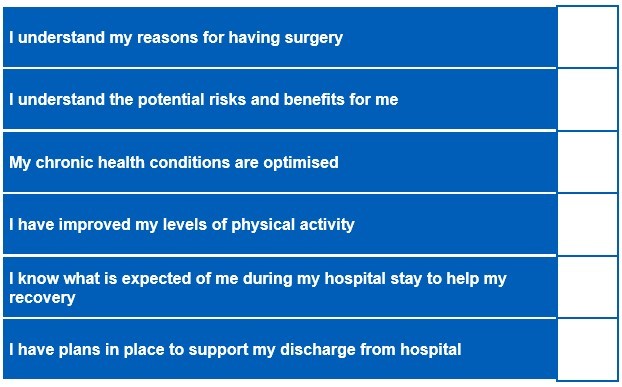
I feel PREPARED to RECOVER
PREPARING FOR YOUR ADMISSION
Fasting ‘Do not eat’ guidelines:
- Morning admission - no food (including milk) from 12 midnight, then water only until 0700am
- Patients are advised to have a snack and drink prior to going to bed before midnight
- Afternoon admission - early light breakfast before 0700am e.g., 2 slices of toast or cereal
- No food (including milk) from 0700am, then water only until 1130am
- Do not chew gum or suck on sweets on the day of your admission
Please be advised that failure to comply with fasting ‘do not eat’ guidelines may lead to cancellation of your procedure on the day of surgery.
Medications
- On the morning of your procedure, take your medications as normal, unless instructed otherwise by the pre-assessment team
- Please bring all your medications into hospital with you
Own clothes - ending pyjama paralysis
- Shower on the day of your operation
- Remove make-up, contact lenses, jewellery, nail varnish, false or gel nails and false eyelashes
- Bring a dressing gown, slippers, or sensible shoes, not flip flops
- Wear loose comfortable clothing
- Lockers will be provided for your personal belongings
- Please do not bring valuables
IMPORTANT CONTACTS
If there are any changes in your health between your Pre-Operative Assessment and your admission, including if you are unwell 2-3 days leading up to your procedure, please inform the Pre-Operative Assessment Team:
01784 884208 or 01784 884217 or 01784 884626
(Monday - Friday, 0800 - 1700hrs)
If you are unwell on the evening before or day of your procedure, please contact the area that you are due to be admitted to:
- Ashford Hospital, Day Surgery Unit - 01784 884127 or 01784 884609
- Ashford Hospital, Dickens Ward - 01784 884004
- Ashford Hospital, Eliot Ward - 01784 884007
- St Peter’s Hospital, Robin Ward - 01932 722932
THE DAY OF YOUR OPERATION
What to expect on the day of surgery:
- Arrival on the ward
- Admission – by the nursing team
- Review by your anaesthetist
- Review by your surgical team and confirmation of consent
- Walk to theatre (if you are able to)
- Anaesthesia
- Surgery
- Waking and early recovery – in theatre and the recovery area
- Transfer to the ward or critical care area
- Active recovery goals:
- Optimise your position in bed
- Deep breathing and coughing
- Early mobilisation with nursing staff or physiotherapist – as appropriate

Please use the following link or QR Code to watch our surgery school video:
https://www.youtube.com/watch?v=fmlIWPOLjd4
Please note that this video content is hosted by YouTube, and they will collect visitor information such as viewership data. An "incognito mode" is available on mobile devices, while desktop users may wish to enter the private mode on their browser.
GENERAL ADVICE FOR YOUR RECOVERY IN HOSPITAL
Position in bed
- It is important that you maintain a good posture whilst in bed
- If you are slumped in bed, your lungs won’t expand properly, you are likely to experience back pain, and risk getting a chest infection
- Try sitting upright or lying on your side; DO NOT SLUMP IN BED
- Nurses can help you to reposition
Pain relief
- Some discomfort and pain are normal after surgery
- We need to control your pain well enough to enable you to take deep breaths, cough and clear, and start to move yourself in bed and around your bed space
- If pain is limiting these activities, please tell the team, so we can improve your pain relief
Breathing and coughing - detailed below
Sitting out and supported early walking
- It’s important to start getting up and walking around as soon as possible after your operation
- This improves your lung function and reduces your risk of blood clots
- Start by sitting up and moving your legs in bed
- Make sure you’re sitting out in a chair as soon as possible
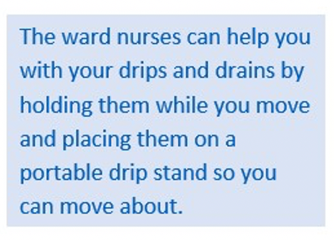
- The nurses will help you on the first day with your drips and drains but once you are safe, keep walking yourself
- Remember to be safe and ask for help when needed
- Aim to walk 60 metres, four times a day
Ending pyjama paralysis and DrEaMing
- Wear your own clothes as soon as possible after surgery
- Your drips, drains and catheters will be removed soon (according to the surgical team) to enable freedom of movement
- We will encourage you to Drink, Eat and Move early in your recovery, provided it’s safe to do so
BREATHING AND COUGHING
General anaesthesia and your position during surgery cause changes in your lung volumes and lung function.
They also effect the normal function of the tiny hairs in your lungs (cilia) that help to clear phlegm.
Pain after surgery exacerbates these changes, especially in patients whose wounds extend above the belly button, stopping them from taking deep breaths and coughing to clear secretions.
Risks of developing a chest infection at the time of surgery can be reduced by:
- Making sure you have enough pain relief to enable you to take deep breaths and cough effectively
- Taking regular deep breaths in and out, aiming to get the air right down to the bottom of your lungs
- Ideally you should take at least 5 deep breaths every half an hour when you are awake
- Using a supported cough technique to ease pain around your wound(s) when coughing (see next page)
- If you have phlegm to clear, use breathing exercises (see over) to fully clear it efficiently
- For patients who have been diagnosed with lung conditions, breathing exercises may need to be modified following an assessment by a physiotherapist
BREATHING AND COUGHING STRATEGIES
Taking some deep breaths before you cough can make it more effective meaning that you need to cough less often to clear any phlegm.
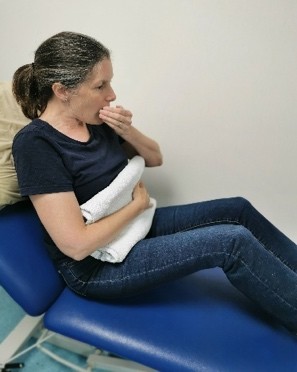
Supported Cough:
- Some discomfort is to be expected when coughing after surgery
- As well as your pain relief this position can help to make coughing more comfortable and feels more supportive
- Adopt the position pictured, with knees bent, holding a pillow or folded towel over your wound(s) while you cough
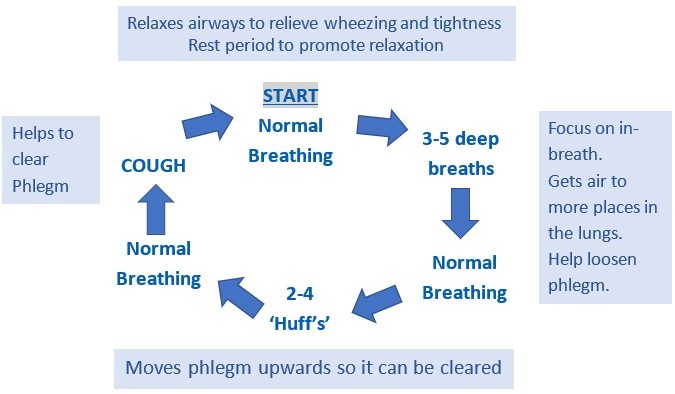
Breathing Exercise - Active cycle of Breathing:
- If you have phlegm to clear use this cycle to get air behind the phlegm, move it upwards, and then cough it out efficiently
- Keep repeating the cycle until no more phlegm comes up
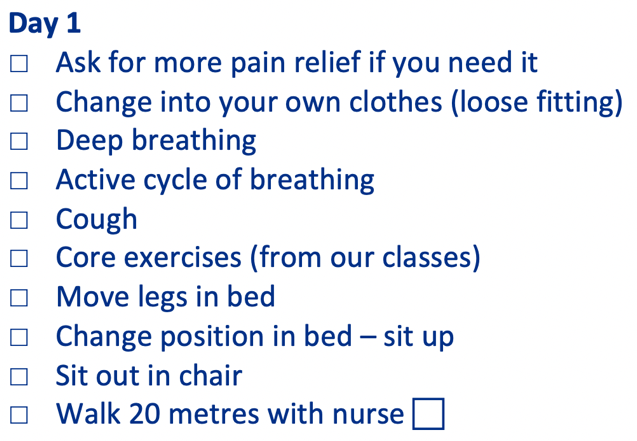
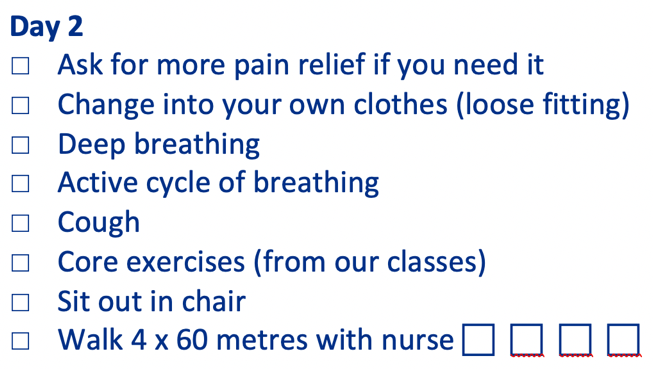
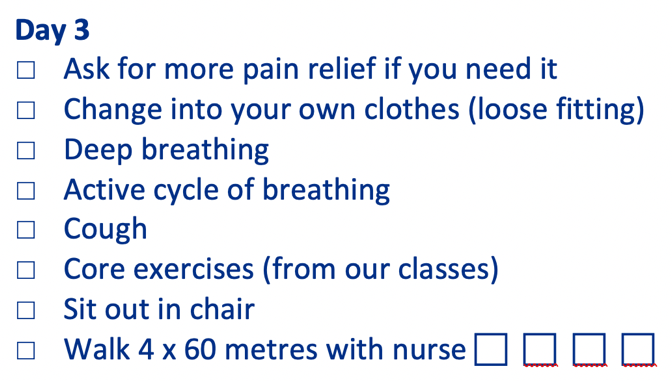
ACTIVE RECOVERY
DAILY ‘TO-DO’ LIST
Perform these tasks each day, to ensure you are on track and giving yourself the best opportunity to recover.
PREPARING FOR DISCHARGE - PREPARING YOUR HOME
Having a planned (elective) operation gives you enough time to prepare and plan for your discharge home after surgery.
This is particularly important if you live alone.
Aim to prepare the following:
Stock your cupboards
- With preservable but nutritious food or your freezer with healthy snacks and ready meals for when you get home and aren’t yet up for cooking
Think about provision of fresh food
- Milk, bread etc. in case you aren’t feeling up to going to the shops
- If you live alone organise someone who can do this for you when you need it
Comfortable clothing
- Pack a change of clean loose-fitting clothing to wear in place of hospital gowns - see section on ending pyjama paralysis
Care for others whilst we care for you
- Ensure there is adequate and flexible cover for your children, other dependants, or pets while you are in hospital and then recovering at home
Getting about
- If you use a walking aid, please bring it with you to hospital
- Think about your home layout
- How will you manage your stairs / using the bathroom in the early days or recovery?
- Bring photos of these spaces to help us to practise for this
RETURNING TO NORMALITY
Food and Drink
Unless you have been given specific advice by your doctor, specialist nurses or dietitian, try to resume a healthy balanced diet as soon as possible. Here are some tips that you can follow once discharged from the hospital:
- Eat little and often if you find it hard to eat two large meals per day
- Drink enough fluids (at least 1 to 2 litres per day)
- Include high protein foods such as fish, meat, and eggs in your diet
- If you have loose bowel movement initially after surgery, try avoiding foods that are rich in fibre for a few weeks then re-introduce them slowly as things settle
- If you are experiencing diarrhoea you need to ensure that the fluid, you are losing is replaced
- If you find yourself struggling to eat or drink, or have been losing weight, please contact your specialist nurses, surgical team or GP for advice or referral to our dietitian
Physical Activity
- Do not lift items heavier than a half-filled kettle for 6 weeks
- Try to avoid sit-up-like movements for 6 weeks
- Together with returning to the gentle core exercises you were taught in the physical activity sessions will help to prevent hernias forming
- Slowly build up your physical activity levels
- Listen to your body:
- If you feel excessive discomfort or difficulty, you’ve gone too fast
- Reduce the load you’re asking of your body then build up more slowly
- Make sure you’re getting adequate sleep - sleep is very important for healing
- If you are still struggling to return to your unusual activities 6 weeks after your operation speak to your GP about a referral to outpatient physiotherapy
RESOURCES
The Royal College of Anaesthetists (RCOA) has created an excellent patient information video, Fitter, Better, Sooner which we highly recommend watching

Please use the following QR code and follow the link to the Royal College of Anaesthetists (RCOA) patient information resources