

ACL Reconstruction
The aim of this surgery is to replace / reconstruct your anterior cruciate ligament in order to restore stability to your knee joint. Occasionally other damaged structures are found that therefore need to be repaired or removed.
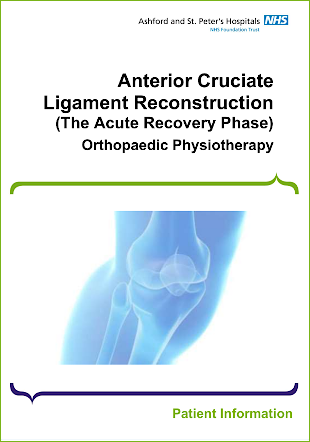
ACL Reconstruction - Acute Recovery Phase
The ACL is a broad thick band that attaches to the femur and passes forwards and downwards to attach onto the top of the tibia. The ACL has an important role in stabilising the knee during function, especially with pivoting movements and quick changes of direction.
ACLD Knee
The knee joint is made up of the femur (thigh bone), tibia (shin bone) and the kneecap (patella). There are ligaments that help to stabilise the knee. There are two collateral ligaments either side of the knee and two ligaments inside the knee that cross each other. The ligaments that cross inside the knee are called the ACL (anterior cruciate ligament) and the PCL (posterior cruciate ligament).
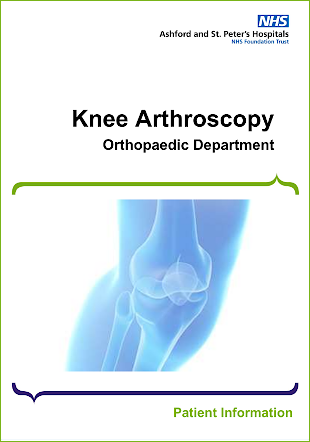
Knee Arthroscopy
The aim of arthroscopic surgery is to correct mechanical problems within your knee joint. The surgeon is able to confirm the nature of the injury and remove or repair the damaged part whilst causing minimal disruption to the knee joint.
Knee Meniscal Repair
A meniscal tear may be the result of a twist – a typical injury for someone like a netballer or footballer or from repeated squatting. These tears may cause pain, swelling and a catching or locking sensation.
If not corrected, a meniscal tear, like dirt in the ball bearings of a machine, can irritate the smooth joint surface and damage the articular cartilage. This can lead to more serious problems such as arthritis.
Knee Meniscal Root Repair
A meniscal tear may be the result of a twist – a typical injury for someone like a netballer or footballer or from repeated squatting. These tears may cause pain, swelling and a catching, locking sensation or giving way. Some are a result of degenerative changes.
A meniscal tear can happen within the meniscus itself or at its root attachment to the bone. The latter is called a root tear. Root tears are not very common and behave differently to typical meniscal tears.


